
Latest
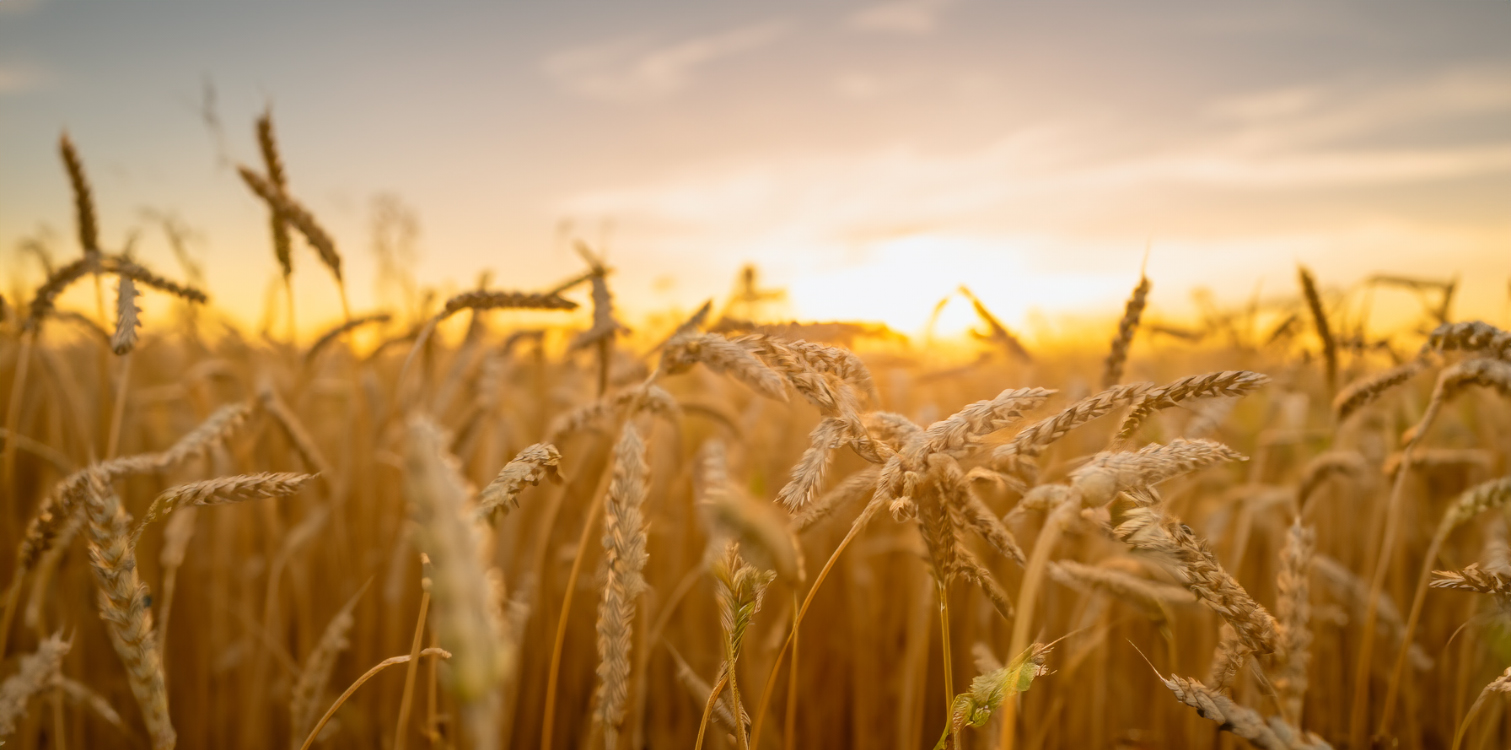
A holistic model to help Europe’s farmers
European agriculture stands at a crossroads, with farmers under pressure from rising costs, debt, climate change and the threat of cheap imports. The EU-funded project Ploutos sought to deliver wholesale change with a Sustainable Innovation Framework that delivers powerful innovations along the value chain.

A close look at space dust reveals hints about our solar system’s origin
Asteroids, comets and meteors are remnants of our cosmic past. Now, EU researchers have pioneered new analytical techniques that could help us better understand what they are made of. What’s more, this information could provide vital insights into the formation and evolution of our solar system.

AI trained on Classics helps historians fill in the blanks
Ancient inscriptions can teach us a lot about past civilisations. The problem is that these
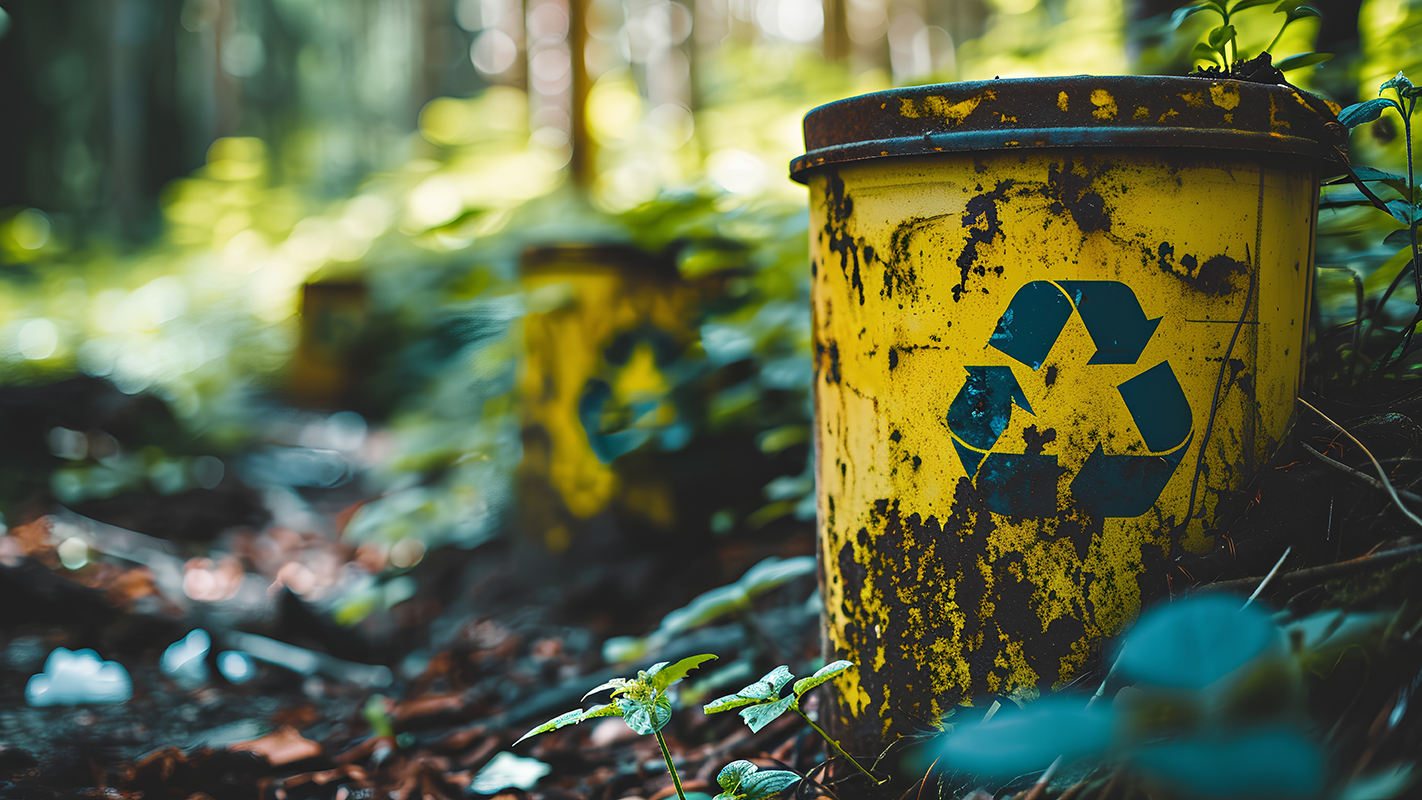
Protecting Europe from future chemical risks
By 2050, the global population will soar to 9 billion, with three quarters of this number living in
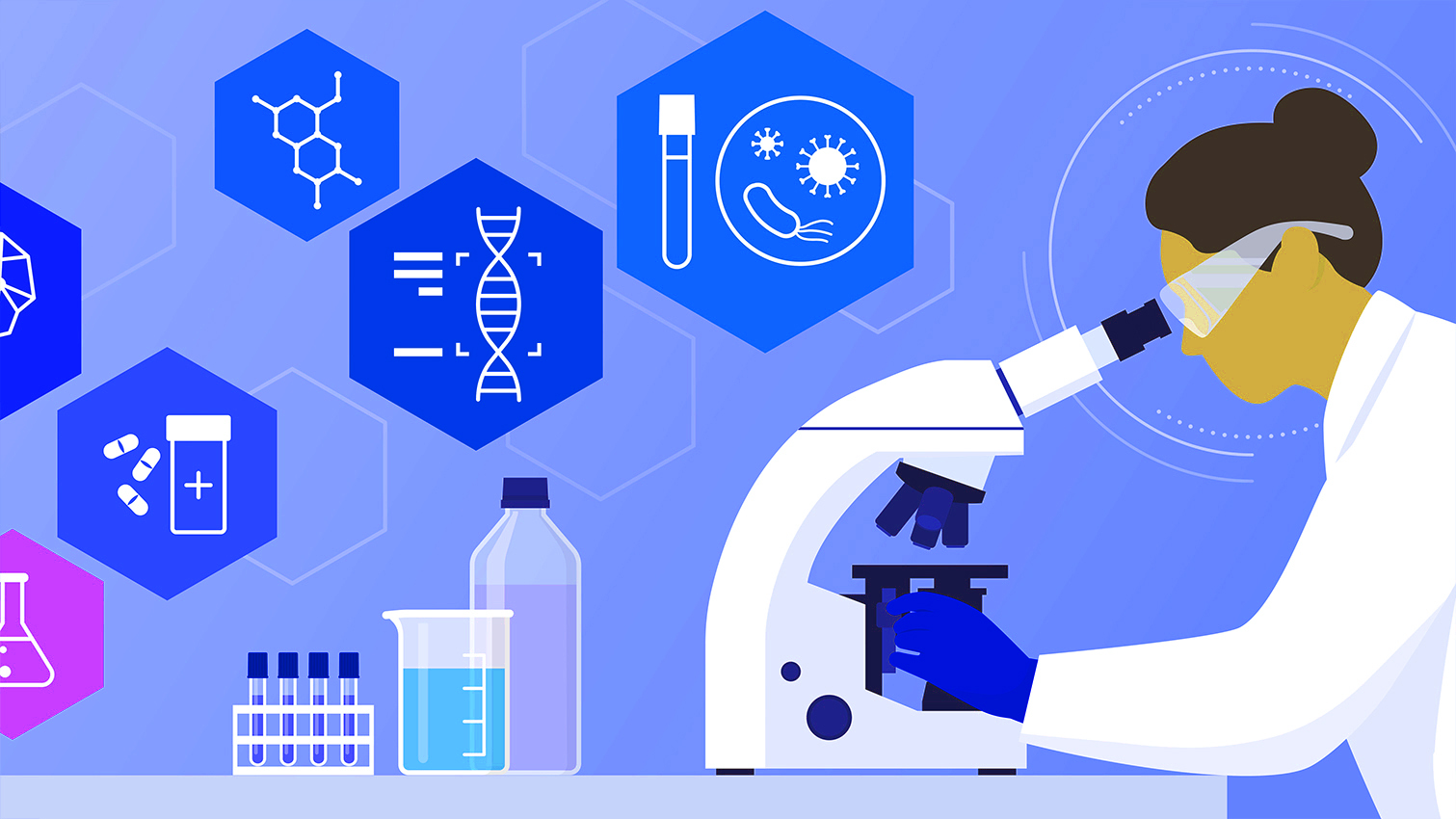
Providing the science – and scientists – needed to accelerate biosensor medicine
There is an acute need for implantable devices that can report prompt and accurate data about the
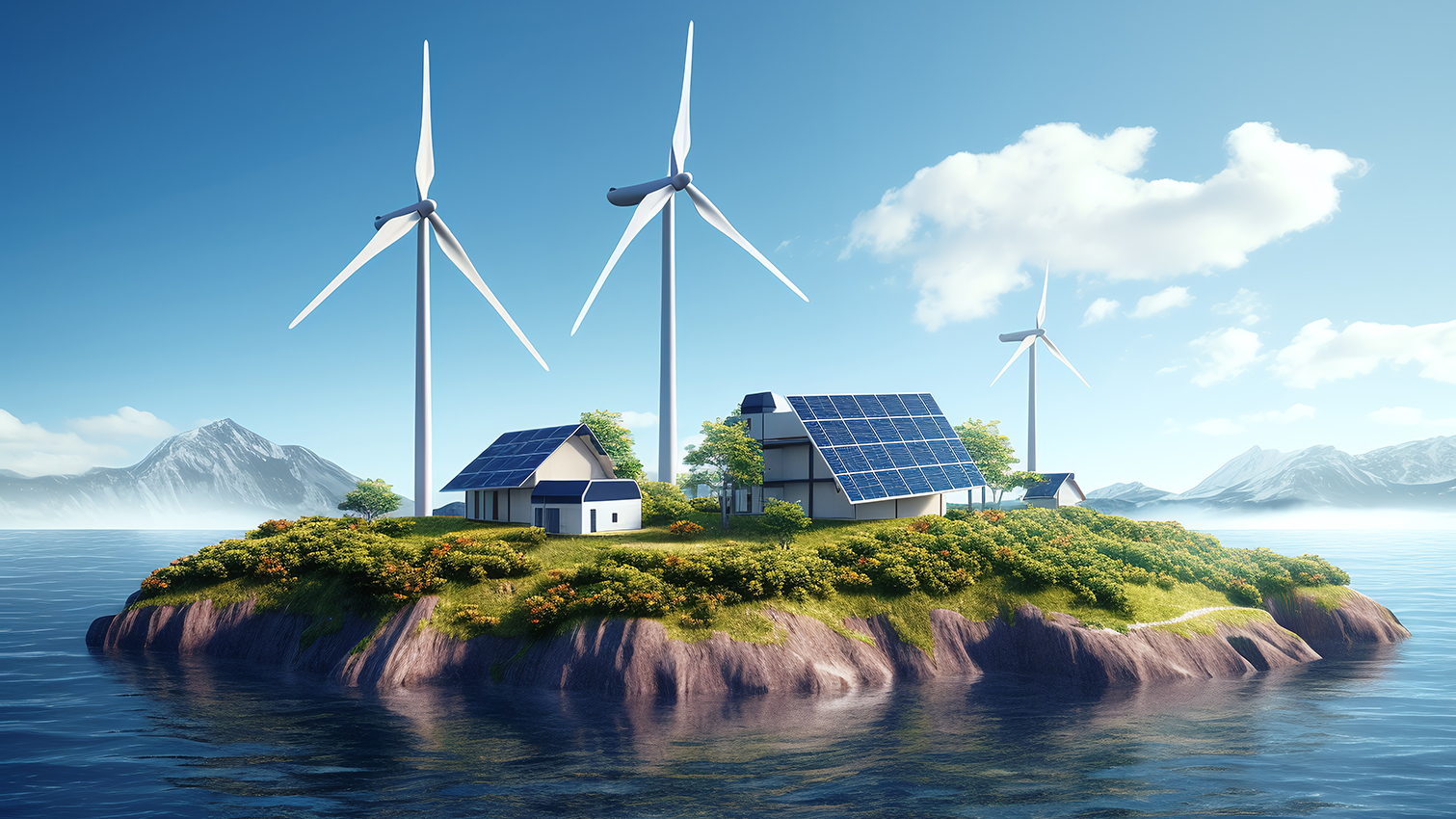
Making island energy grids more efficient and sustainable
Energy costs more on islands, as they are typically isolated from the national grid. While greater