Information society

Add to pdf basket
©kras99 #1380098923 | source: stock.adobe.com
Georgia aims to position itself as a regional AI hub. The EU-funded GAIN project helped provide Georgia with a wealth of experience and deep technology by working together with some of Europe’s leading research institutions. The project advanced AI research capacities in this EU candidate country, and fostered AI solutions to support EU research.
Add to pdf basket
©Who is Danny #1897042709 | source: stock.adobe.com
The internet of things is growing, but security gaps such as poor visibility, weak trust standards and fragmented information sharing remain a challenge. The EU-funded ERATOSTHENES project tested a new approach to securing IoT devices in real-world settings. Europeans could soon benefit from increased resilience and improved compliance with EU cybersecurity and data protection laws.
Add to pdf basket
©metamorworks #652588315 | source: stock.adobe.com
From smartphones to AI avatars, digital technologies are changing how many Europeans live, work and socialise. To better understand these shifts, the EU-funded CHANSE project launched a transnational call for projects focused on social and cultural dynamics in the digital age. The results are 26 projects shedding light on shifts in democracy, society, religion, media, education and more.
Add to pdf basket
©guruXOX #401390108 | source: stock.adobe.com
European cultural activities and institutions can help drive social progress – but only with the right enabling policies, according to the EU-funded INVENT project. Thanks to one of the biggest-ever European culture studies, researchers can now offer recommendations for including culture within broader policy areas, such as education, social welfare and well-being.
Add to pdf basket
Add to pdf basket
©stock.adobe.com
Cultural expertise is an emergent concept in the social sciences that describes in-depth social knowledge used in judicial processes. To improve access to cultural expertise, the EU-funded CULTEXP project built an AI-powered database containing case-law and expert reports from a range of countries. The tool will reduce the costs of legal proceedings and improve access to justice.
Add to pdf basket
©Sofiia #725583112 | source: stock.adobe.com
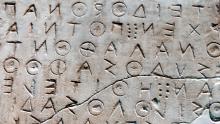
Ancient inscriptions can teach us a lot about past civilisations. The problem is that these inscriptions are often illegible, or their place of origin is unknown. To help, the EU-funded PythiaPlus project developed an AI-based tool that historians can use to restore missing text, and establish an inscription’s original date and place of writing.
Add to pdf basket
©VectorMine | source: AdobeStock #605534690
Public bodies, businesses and citizens in the EU face an increasing risk of cyberattacks, from snooping to ransomware. The CRYSPEN project successfully demonstrated how technology developed by EU-funded cryptographic research could deliver new security standards for web browsing through a commercial spinout.
Add to pdf basket
©STOATPHOTO | source: AdobeStock #271374036
Art in the age of digital reproduction is under threat from inadequate contracts, piracy, generative AI and limits on access. In the EU-funded reCreating Europe project, researchers, libraries, copyright experts and other stakeholders sought ways to secure culturally diverse production of art, as well as inclusive access for consumers. The results can help Europe maintain its position as a cultural and economic powerhouse in the creative industries.
Add to pdf basket
©gustavofrazao #91590115 source: stock.adobe.com 2023
Migrants and fragile communities often feel ostracised from the societies in which they live. The EU-funded MEMEX project helped communities at risk of sociocultural exclusion tell their stories through augmented reality. Similar projects could help social integration across Europe.