

EU-funded researchers are using biological matter to create unique new materials that can adapt to their environment and repair themselves.
Special series
Researchers on a mission
The EU is on a mission with researchers to protect our planet and society.
By helping researchers discover new ways to improve people’s lives, and to protect us from climate change and global health shocks, the EU is building a better future for all of us.
More stories

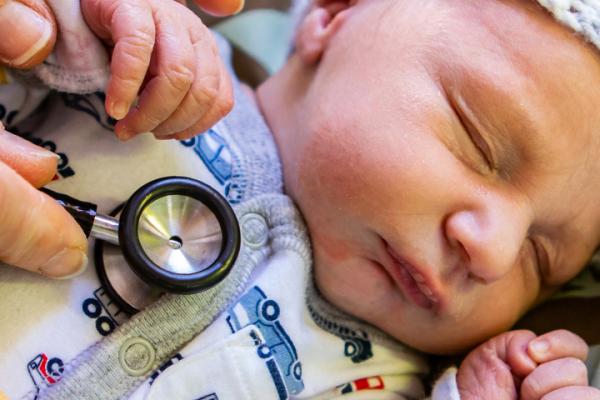
New treatments being developed by EU-funded researchers will improve both survival rates and the long-term health of babies born early.

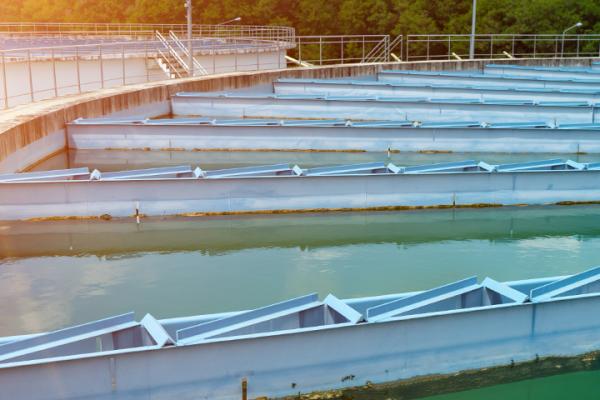
EU-funded researchers are using AI and satellite technologies to make the continent’s renewable energy infrastructure more reliable.

Most popular
-
1
-
2
-
3
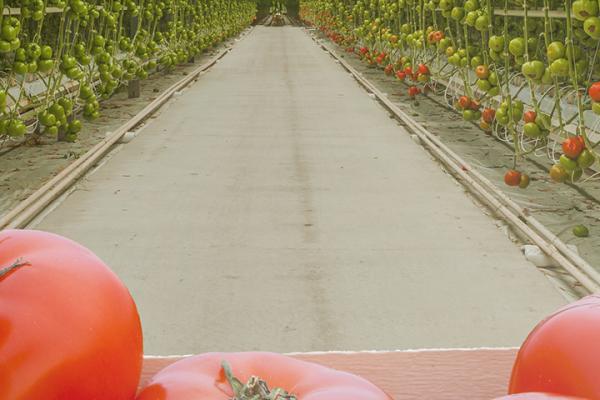 By Bárbara Pinho
 -
4
 By Gareth Willmer
 -
5
 By Andrew Dunne
Top videos
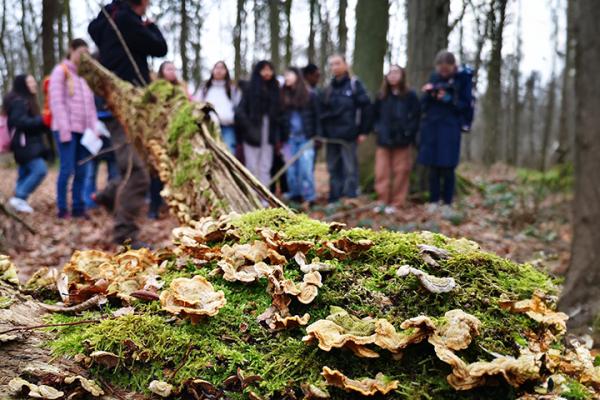
Learning beyond the classroom – bringing science teaching into the real world
26 July 2024
Miracle material enters the limelight with European help
14 July 2024
Past articles
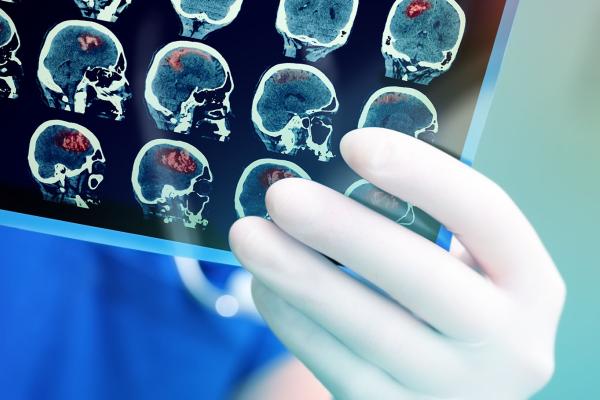
By harnessing unusual allies, pioneering cancer treatments could reduce the need for invasive surgery and save lives.

New machines can improve conditions for workers and boost industrial productivity.

Making diets kinder to the environment and better for people’s health requires root-and-branch changes in production and consumption.
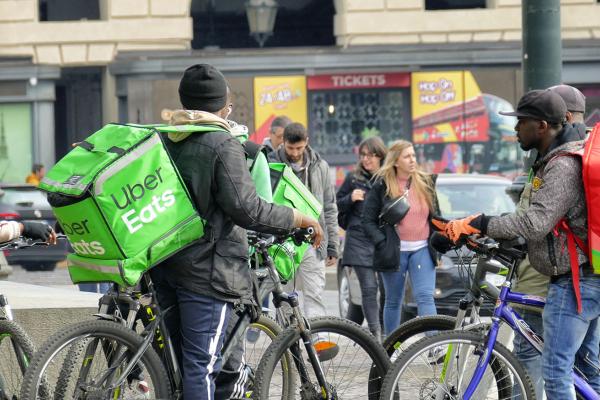
Many working people in Europe are at risk of economic hardship, prompting EU researchers to seek policy answers.
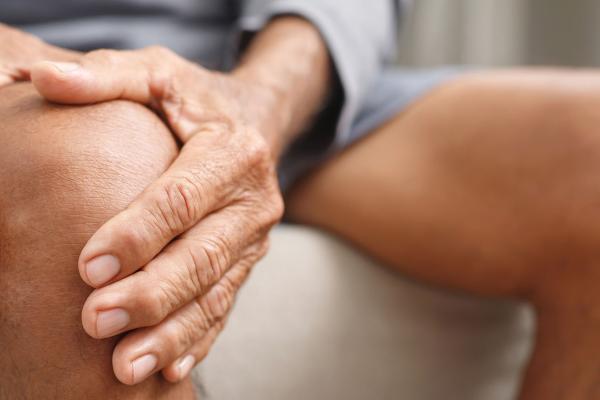
Millions of people in Europe and elsewhere suffer degeneration of joint cartilage in the knee, driving EU research into better treatments.
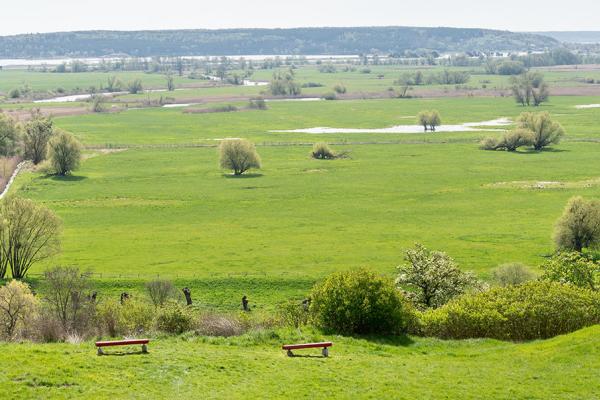
Better use of grass-covered areas across the EU can protect nature and strengthen agriculture.

EU researchers expect unprecedented insights into galaxies from the study of a mysterious energy force.

Research projects in Europe developed water-surface scanners and better hull designs to tackle shipping accidents.

Artificial intelligence, which can already generate texts and mimic human speech, might also help the world prepare for the worsening effects of climate change.

Marijuana shows promise in treating illnesses ranging from depression and addiction to arthritis and epilepsy.

Drawing inspiration from birds, fish and even worms, researchers in Europe are developing machines to explore places on Earth that are difficult for people to reach.
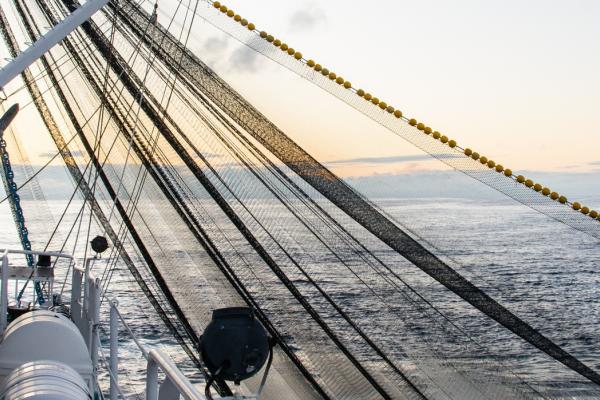
Sensors, “smart” buoys and high-tech traps can make fisheries in Europe more sustainable and profitable.
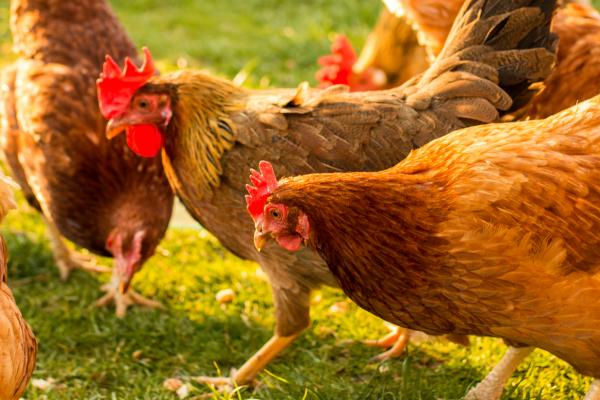
EU researchers are examining how bacteria, fungi and other microorganisms could boost the health of both plants and animals.
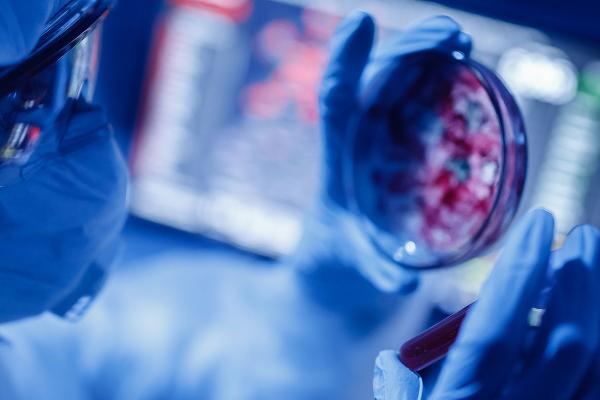
EU researchers are looking for new ways to tackle bloodstream infections that kill millions of people worldwide every year.

Researchers in Europe are working to counter potential risks from nanomaterials used by a range of industries for technological advances.
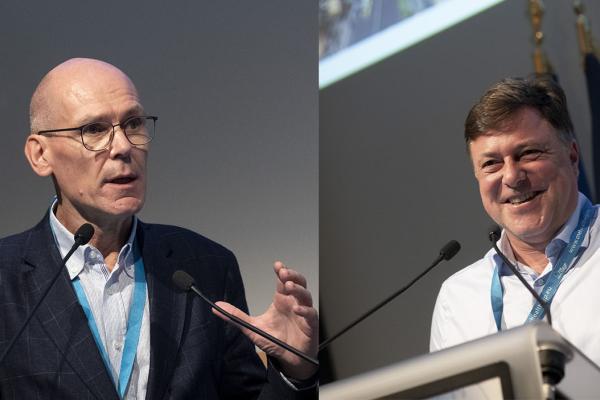
Understanding the deep connections among human, animal and environmental health is more important than ever, according to the two heads of a groundbreaking EU research project.

Personal support and user opinions are crucial to ensuring local transport systems become more widely accessible.
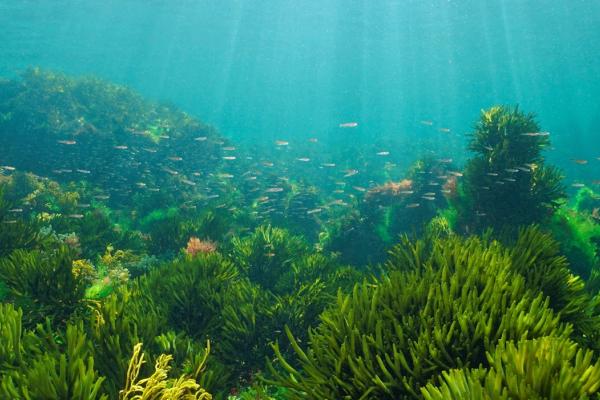
Compounds found in seaweed may reduce a serious digestive-tract illness.
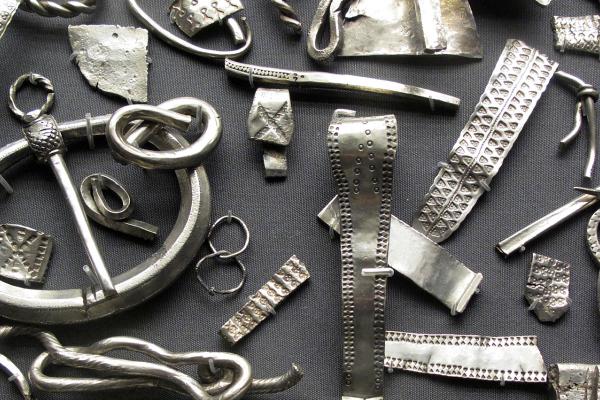
The precious metal’s role as far back as antiquity offers a window into the rise and fall of past civilisations.

Europe is seeking to use emissions and residues from winemaking for new products ranging from animal feed to antibiotic alternatives.
Weekly news alert