
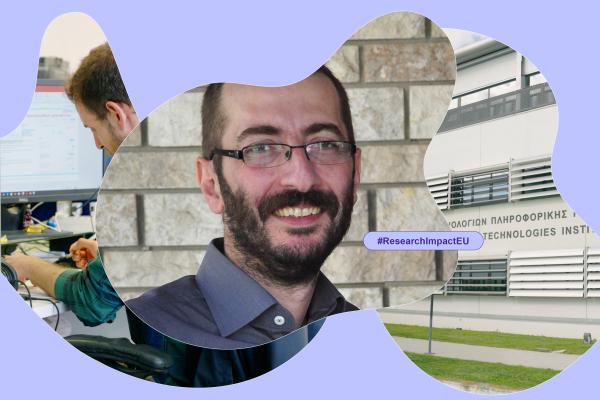
Greek researcher, Dr Pantelis Natsiavas, is on a mission to use technology to redefine the meaning of palliative care for those affected by cancer, with the help of EU funding and 16 healthcare…

EU-funded researchers are using AI to transform nuclear technology, making medical scans safer, streamlining…

From mosquito monitoring to sewage surveillance, EU-funded researchers are combining diverse data techniques…

EU-funded researchers are exploring the role of architecture in designing living spaces that harness the healing power of nature to improve the health and well-being of urban populations.

Endocrine-disrupting chemicals are everywhere – from plastics to cosmetics – silently affecting our reproductive health. EU-funded researchers are shedding light on the risks and developing better…

EU-funded researchers are exploring the issue of hidden hunger in Europe to understand why people who have enough food to eat may not be getting sufficient micronutrients to maintain good health.

Diversifying food sources and developing underused, nutrient-rich crops could help combat malnutrition and enhance food security in Africa.

EU-funded researchers are working to reduce the health risks associated with Down syndrome and improve long-term quality of life.

EU researchers are testing a robot that can have basic conversations in busy surroundings, with the idea of assisting people arriving at hospitals.

EU-funded researchers are championing smarter and more sustainable ways to safeguard biological samples and data donated by millions of citizens. The aim is greater international preparedness for…

Citizen scientists are drawing on personal experience to help researchers create new plant-based fermented foods and maximise their health benefits.

EU-funded researchers are investigating the link between mindfulness and health, offering potential new options for the treatment and early detection of cancer.

The EU’s Cancer Mission Bus Roadshow is bringing experts in cancer prevention and early detection to communities across Europe, as part of a push to improve the lives of millions.