

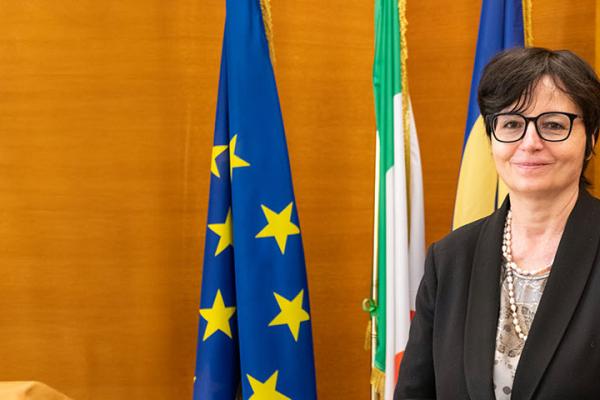
Automation will play a growing role in people’s lives and Europe has the know-how to lead the way, according to a top Italian researcher.
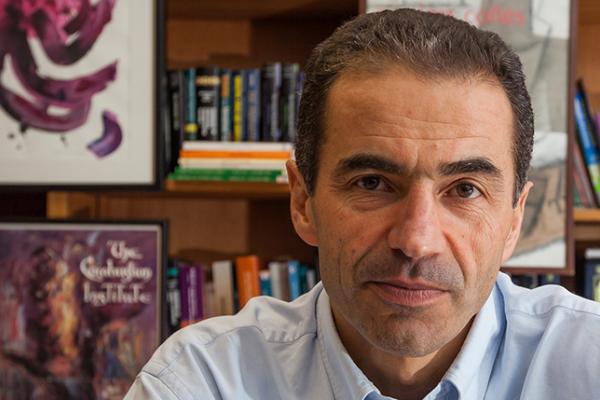
EU research, which has improved society and the economy for decades, now needs to engage more young people…

As Europe embraces clean energy to fight climate change, a leading ecological economist argues for going…

Finding new viruses is easy – the hard part is understanding which ones cause disease, says Dr Lia van der Hoek, a virologist from the Amsterdam UMC, the Netherlands, who discovered a human…

The smouldering heat generated during the formation of our planet and the continuous decay of radioactive material lies trapped within the Earth’s crust, just waiting to be tapped to satisfy humanity…
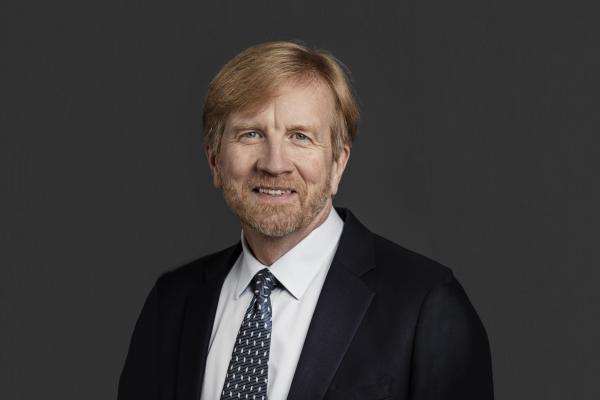
Scientists are developing virus-sized robots that could defuse blood clots, explore human cells or even scrub water of impurities.
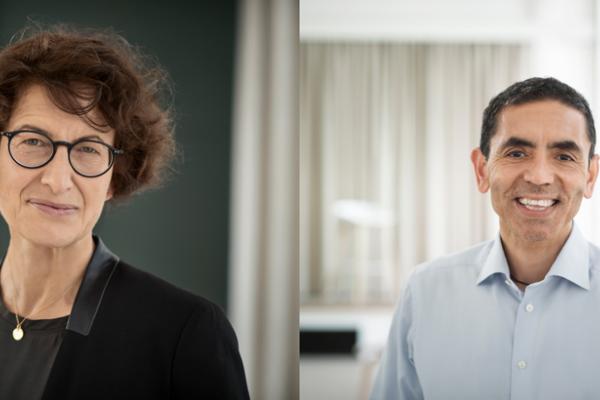
The successful development of mRNA vaccines for Covid-19 is ‘transformational’ and opens the doors to new types of vaccines for other infectious diseases as well as cancer, according to Dr Özlem…

Asteroids — the bits and pieces left over from the formation of the inner planets — are a source of great curiosity for those keen to learn about the building blocks of our solar system, and to…

Developing new, green technologies has been hailed as a way to both achieve Europe’s environmental goals and support its economic recovery following the coronavirus pandemic. But what type of green…

Insects are vital to the health of our planet but they can also reveal a lot about climate change and help us fight future vector-borne disease outbreaks, says Alexey Solodovnikov, an associate…

Fears over supermarket shortages during the early stages of the Covid-19 pandemic led many people to buy their food from local producers, raising the prospect of a transformation in the way people…
A mysterious flu-like illness that caused loss of taste and smell in the late 19th century was probably caused by a coronavirus that still causes the ‘common cold’ in people today, according to…

Artificial intelligence (AI) used by governments and the corporate sector to detect and extinguish online extreme speech often misses important cultural nuance, but bringing in independent…