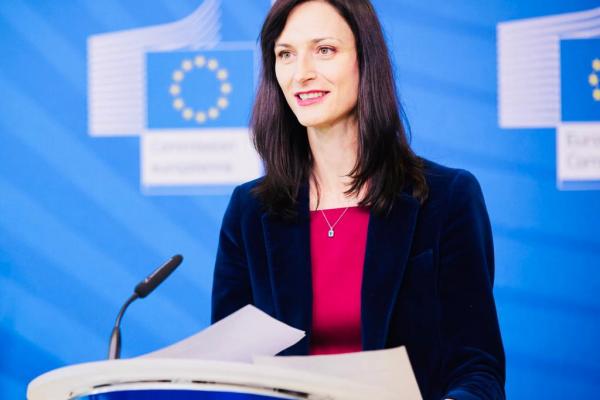
As the world's newest Nobel Prize laureates gather for Nobel Week, EU Commissioner Mariya Gabriel speaks about the incredible advancements made by scientists and the EU's commitment to creating more…
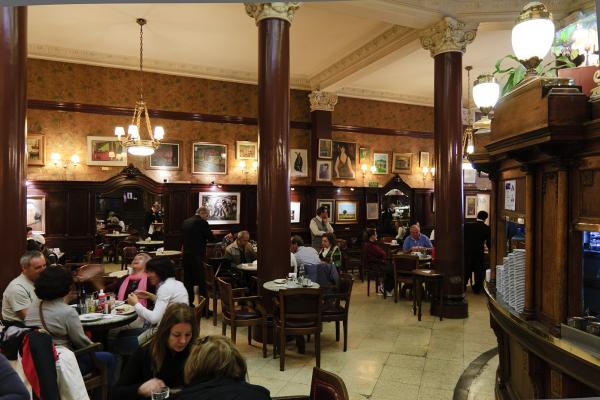
The European Open Science Cloud (EOSC), a virtual one-stop shop for researchers to share, access and reuse…
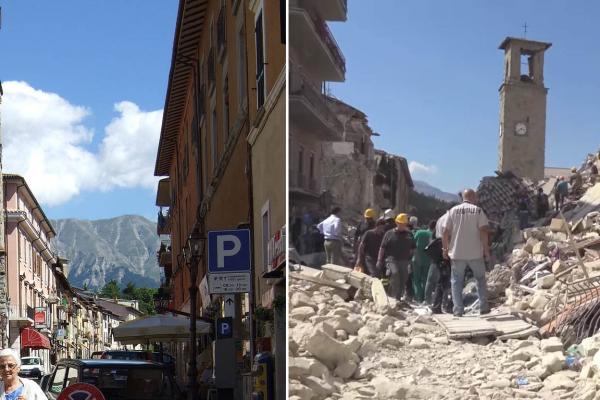
We may never be able to entirely predict earthquakes such as those that hit central Italy in 2016, but we…
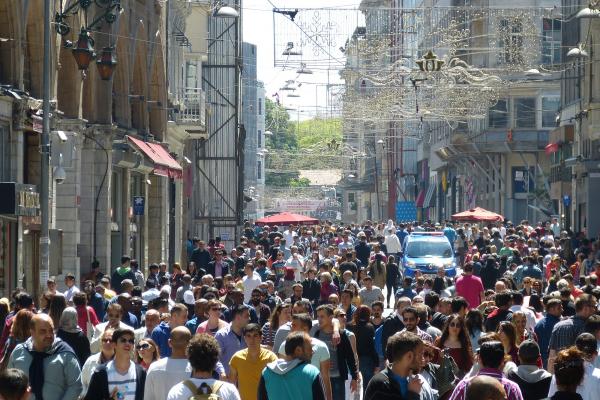
Big data has given scientists – and companies – a treasure trove of new information for analysing, understanding and predicting human behaviour, but it’s also thrown up a raft of questions about…
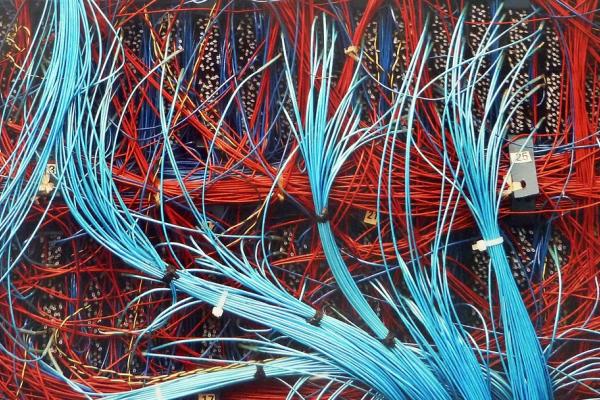
The idea of creating a shared online repository that would make all data from publicly funded research available for anyone to investigate and use, sounds like a laudable and ambitious plan. But how…
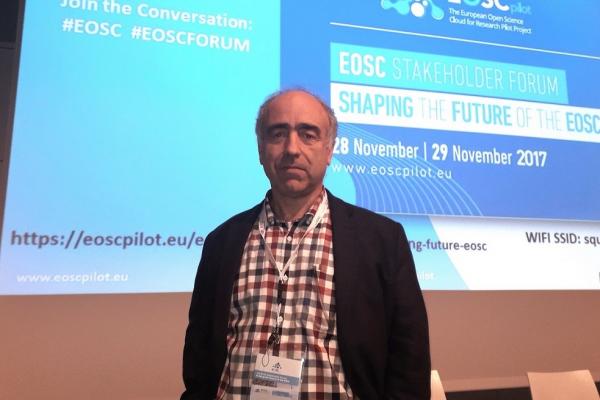
Changing the way science is done in Europe is the first job in setting up the European open science cloud, a huge shared data repository that will enable data from all publicly-funded…
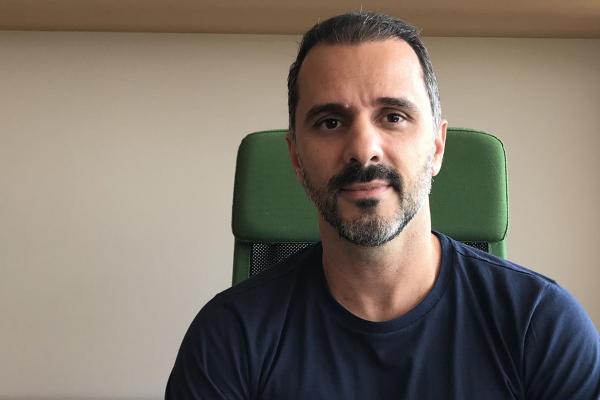
We live in an era where open data can pave the way to a more sustainable, secure and safe food system, according to Dr Panagiotis Zervas, senior project manager at Agroknow, a company that finds…
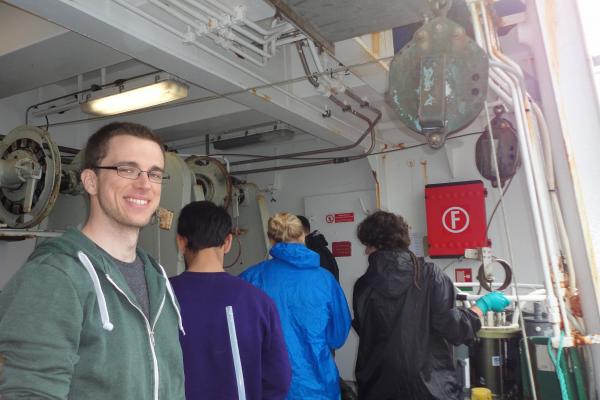
Urban Wünsch never expected product labelling to be the hardest part of a seven-day voyage across the North Sea.
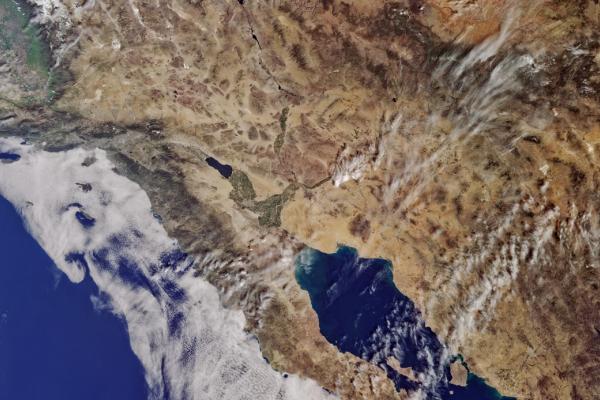
Highly sophisticated computers are mining vast amounts of data from the web, digital maps and satellite imagery to pick out trends in areas like demographics, transport and the environment.
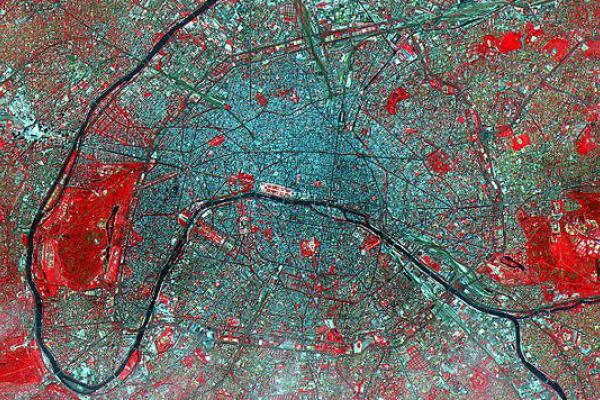
Europe’s big cities have been spreading their tentacles into surrounding villages and farmland for centuries. Now, satellite analysis is helping free up old parking lots, disused factories and…
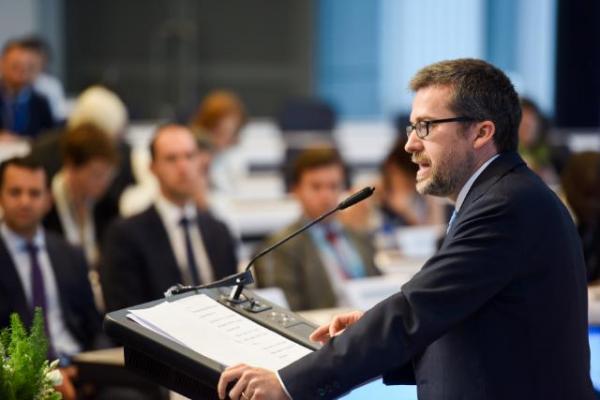
People no longer take science advice on trust, and science advisers need to provide evidence for their recommendations, according to Carlos Moedas, European Commissioner for Science, Research and…
In today’s digital age, it can feel as though we are drowning in a deluge of data, and the scientific field is no different. According to a 2014 study, one paper is published every 30 seconds, and…
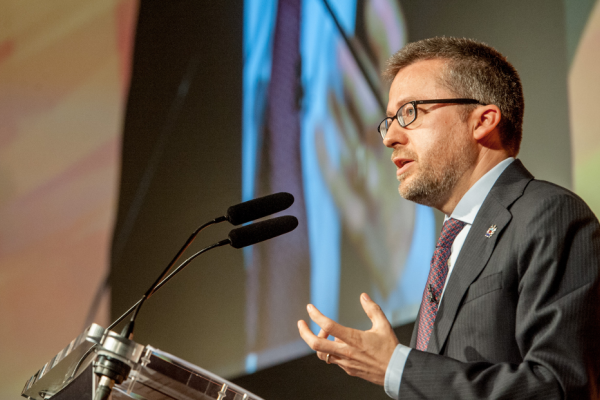
Enhancing trust in science through public engagement and open, transparent research is vital if we are to avoid descending into a 'post-factual society', according to Carlos Moedas, the European…