

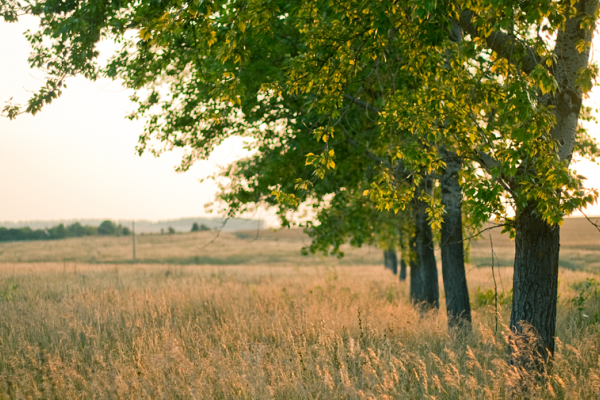
Hacking trees by adding bacteria to their roots could help scrub contaminated soil clean of chemicals and metals from industrial spillages and fallouts, a process known as gentle remediation.
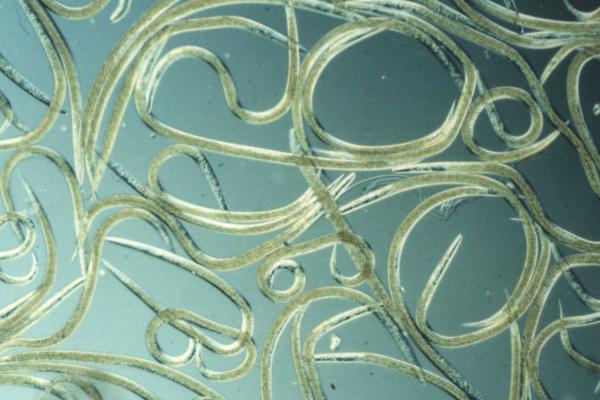
From fungal spore spray to insect egg dispensers, unleashing an army of living enemies on crops to keep pests…
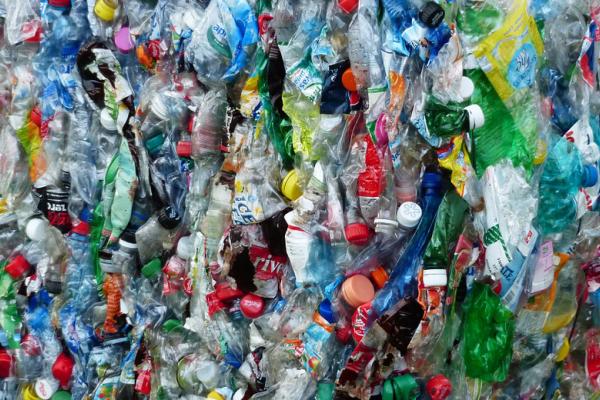
Recycling innovations such as plastic-eating microbes could sweeten the fortunes of the global plastic…
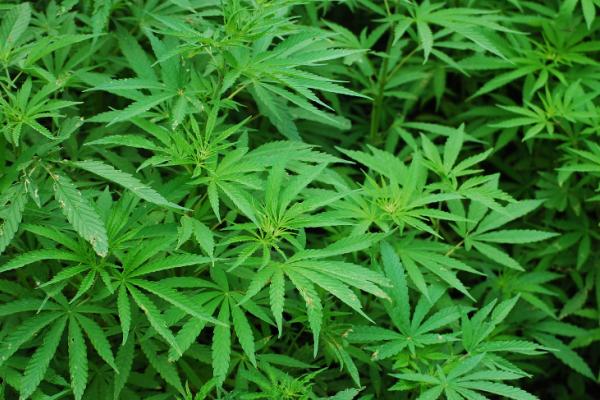
A cutting-edge refinery is processing specially bred hemp and researching innovative new biomaterials that could help build future eco-friendly homes.
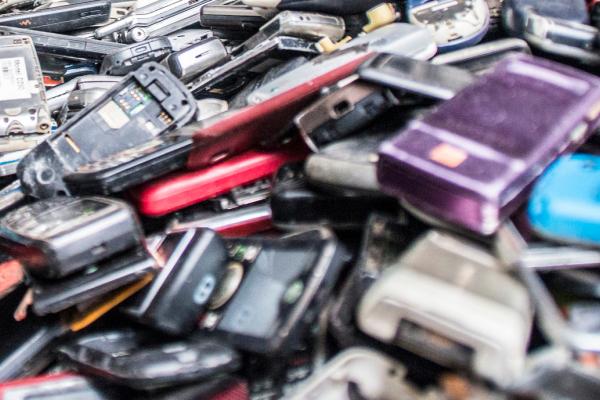
Each year a new wave of computers, smartphones and accessories swarm the market with smaller components made from increasingly complex materials. While this technological evolution may be exciting…
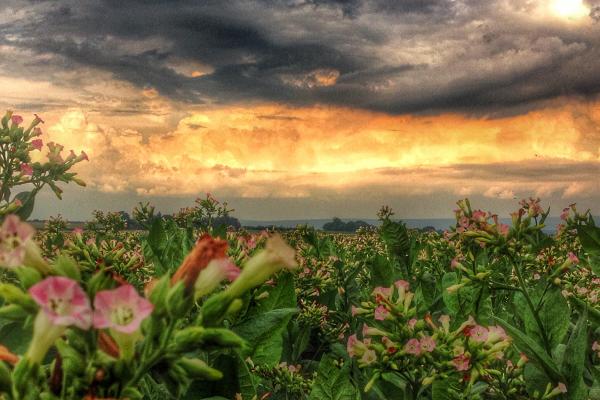
Researchers are getting ready to test a tobacco-powered aeroplane thanks to a new bio jet fuel made from the seeds of nicotine-free plants, and the result could be a 75 % reduction in carbon…
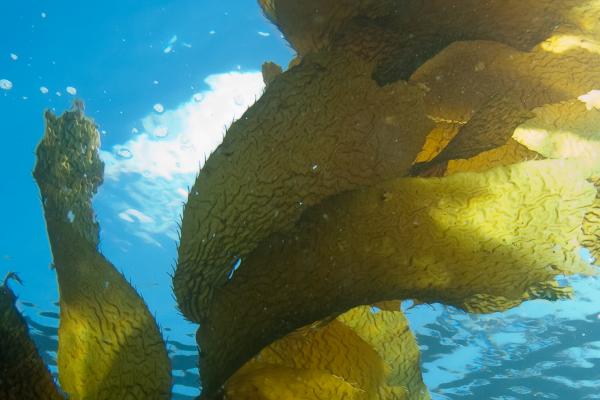
Researchers are developing textiles that could be used for large-scale seaweed farms off Europe’s coast.
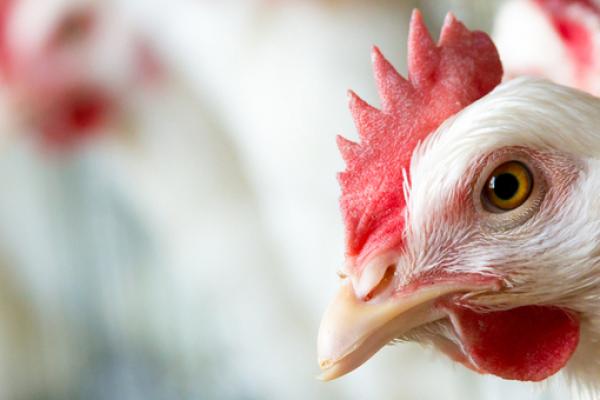
Researchers are preparing to conduct field trials of house fly larvae as a protein-rich supplement to animal feed made of cereals and corn.
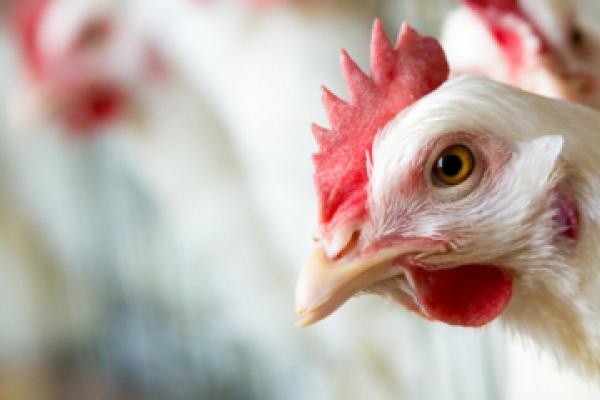
Researchers are preparing to conduct field trials of house fly larvae as an alternative to animal feed made of cereals and corn, and it means bug-based burgers, bacon and chicken breast could be on…
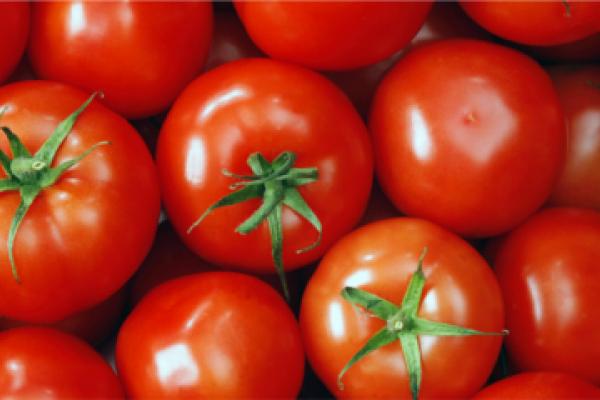
Researchers are using a lacquer made from processed tomatoes to coat cans of food as part of a drive to replace food packaging with healthier, natural alternatives.
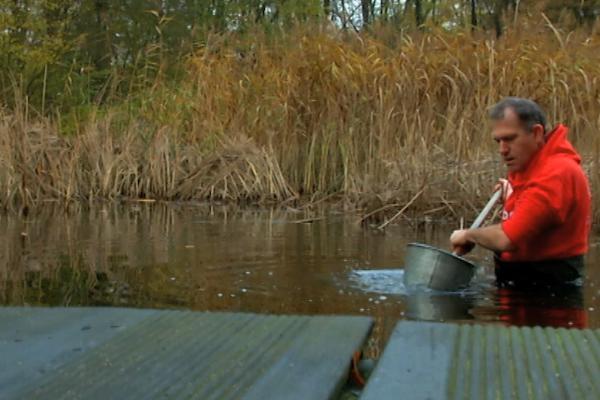
Professor Mike Jetten of Radboud University believes he can help tackle global warming by uncovering bacteria that consume methane before it reaches the environment.
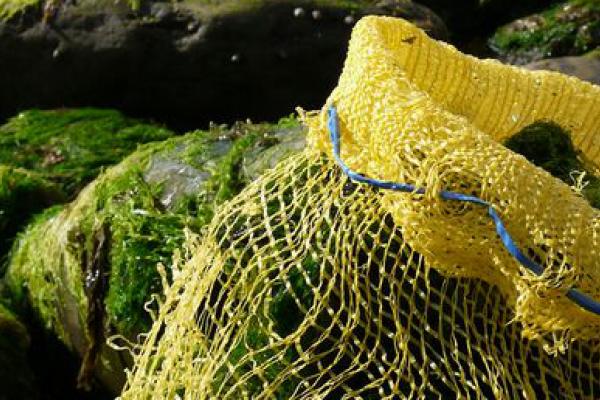
Seaweed could become an important source of disease-fighting antioxidants, if EU scientists succeed in proving its benefits.
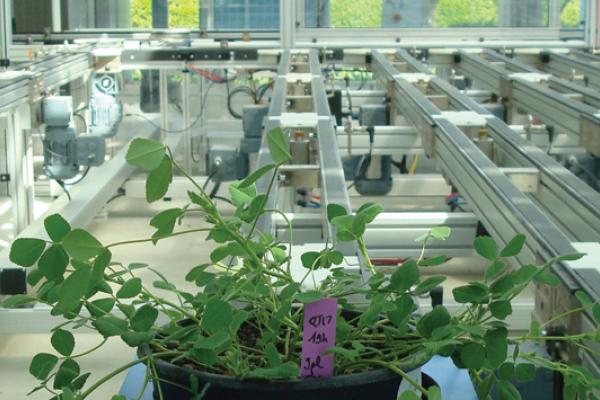
European scientists are applying hi-tech breeding to develop vegetables that can grow through blight and drought – a GMO-free way to help Europe cut down on animal feed imports and help the…