

EU-funded researchers are exploring the issue of hidden hunger in Europe to understand why people who have enough food to eat may not be getting sufficient micronutrients to maintain good health.

From fossil remains to satellites, the wonders of EU-funded research were on full display at the Science is…

Diversifying food sources and developing underused, nutrient-rich crops could help combat malnutrition and…

Tackling societal challenges was key for aspiring young scientists at this year’s EUCYS and EU TalentOn competitions.

EU-funded researchers are using the latest digital technologies to improve access to Europe’s rich musical and cultural heritage and facilitate the creation of new cultural connections.
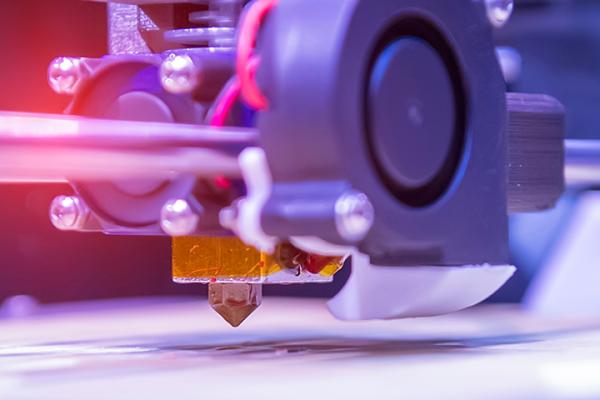
3D printing is set to revolutionise European manufacturing, producing complex, multilayered components for everything from toys and cars to wind turbines and satellites.
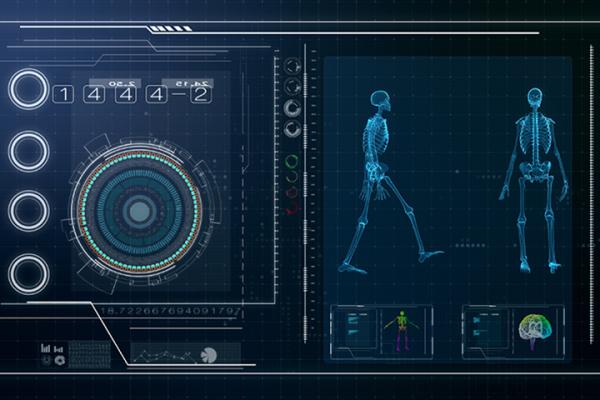
A breakthrough in medical imaging is making it possible for EU-funded researchers to observe brain activity during movement and pick up the early signs of disorders that affect brain-to-body…

The quest is on to support endangered European languages, some with only a handful of speakers left.
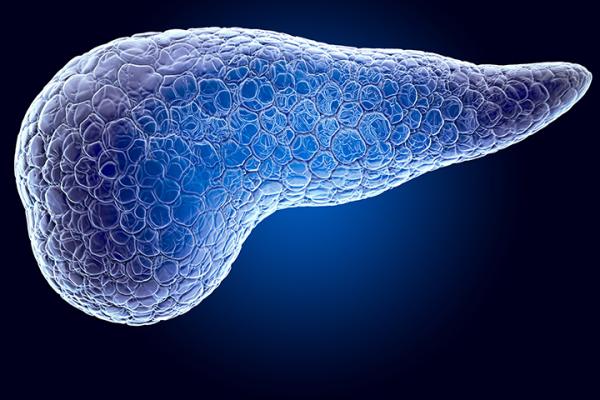
EU-funded researchers are expanding the possibilities of 3D printing to create miniature human organs and a variety of products made from living tissue, including food.

EU-funded researchers are discovering new genes linked to breast cancer and refining evaluation of risk to help spare women from life-changing surgery.
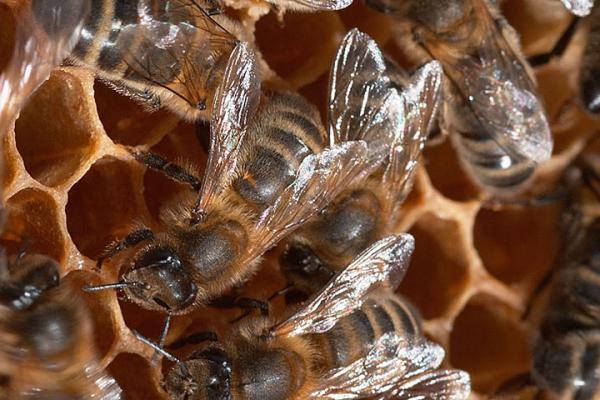
EU-funded researchers are using big data and smart technologies to improve conditions for bees and guide beekeepers.

Smart wearables and advanced data analysis by EU-funded researchers could help bring relief to millions affected by sleep disorders.

Microbes and fungi have long been nature’s helpers in producing fine food, drinks and medicine, but new digital technologies could unlock far greater potential for the European biotech sector.