Public–Private Partnerships

New satellite links promise clear, real‑time connections for safer and smoother flights over the ocean. © supamotion.co, Shutterstock.com
Researchers turn ocean dead zones into talking skies for pilots

Researchers are developing satellite links that bring clear, real time radio and data connections to flights over oceans, helping air traffic ...

Dr Lennie Derde took up her position as the new CEO of Ecraid in January 2026.
Building Europe’s frontline against future pandemics

From routine infections to emerging health threats, being prepared matters. Dr Lennie Derde, newly appointed CEO of the Ecraid medical research ...

Researchers are testing hydrogen-powered burners, designed to make steel production cleaner, using digital simulations. © DedMityay, Shutterstock.com
Turning up the heat on steel’s carbon pollution problem

EU-funded researchers are testing new hydrogen-powered burners that could slash emissions from one of the world’s most carbon-intensive industries – ...

The convoying of trains could be one way to help double railway capacity and reduce carbon emissions, according to Andy Doherty, vice-chairman of the European Rail Research Advisory Council andDirector of railways system engineering at Network Rail, the UK rail network operator.

Rethinking aircraft engines and new wing designs have the potential to cut carbon emissions and noise, as well as to boost Europe’s aerospace industry, according to Eric Dautriat, chief executive of the Clean Sky Joint Technology Initiative (JTI).

If we want Europe to gain market share in developing technology for smart devices like phones and tablets, we must embrace public–private partnerships, according to Dr Andreas Wild, executive director of the EU’s new Electronic Components and Systems for European Leadership (ECSEL) Joint Technology Initiative.

European pilots will be able to fold away their maps and free up their radio frequency in favour of more advanced technologies to communicate their trajectories with air traffic control, said Florian Guillermet, the executive director of the SESAR Joint Undertaking. These are just some of the ways in which SESAR, a public-private partnership, is contributing to Europe’s goal of modernising its air traffic management (ATM) system and joining up its fragmented skies.

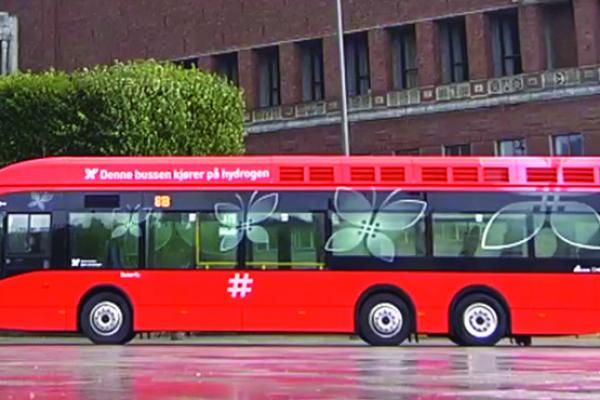
The ability to store electricity using hydrogen could make wind and solar power a secure energy source, freeing Europe from its dependency on imported fossil fuels, according to Bert De Colvenaer, executive director of the Fuel Cells and Hydrogen Joint Undertaking, a public-private partnership.

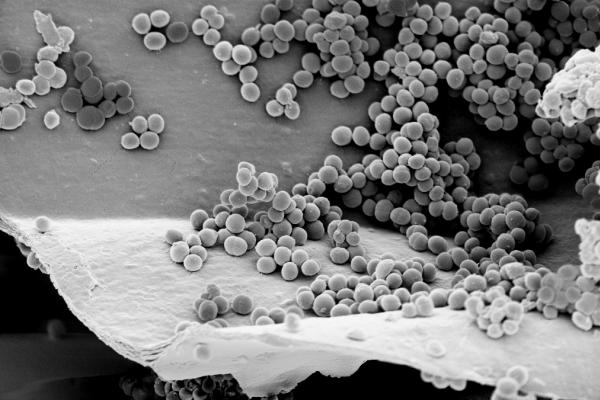
The challenge of tackling some diseases is too great for just one institution, company or country. The Innovative Medicines Initiative (IMI) is showing that by bringing people together, real progress can be made, according to Professor Michel Goldman, the initiative’s executive director.  

Electronic systems are at the heart of new technology, and a partnership between the EU and industry aims to secure Europe's supply. 

Europe’s skies will be cleaner and quieter thanks to a proposed partnership between the EU and industry. During the partnership, technologies will be developed to help cut noise and carbon dioxide emissions from planes by up to 30 %.

Europe’s agricultural by-products could be increasingly used to give people greener everyday commodities, such as oil-free vehicle fuel and bio-plastics, thanks to a planned multi-billion-euro partnership between the EU and industry.

Zero emission vehicles could help reduce Europe’s carbon footprint, create jobs and preserve energy security if investment in an ambitious new energy partnership pays off.