Natural disasters

Add to pdf basket
©Kololo #209227077 | source: stock.adobe.com
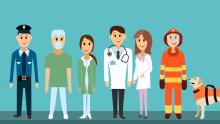
A lack of interoperability can leave Europe’s first response teams relying on basic safety equipment and their wits. The EU-funded Search and Rescue project developed a communications platform to help disparate teams effectively collaborate, sharing information and resources. The consortium also produced a range of technologies, from radiation sensors to a robotic sniffer dog.

Add to pdf basket
©Miha Creative #519515408 source: stock.adobe.com 2023
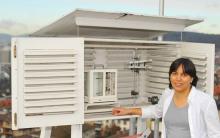
Essential services such as water, energy and transport are increasingly under pressure from climate change, cyberattack and their own growing complexity. The EU-funded KIOS Centre of Excellence, powered by young researchers, has been developing digital solutions that protect key services. The work will keep EU citizens safe while boosting the knowledge-based economy in Cyprus and beyond.
Add to pdf basket
© Goss Vitalij #145243680, source: stock.adobe.com 2022
With land resources overstretched or polluted, humans are increasingly exploring offshore solutions to onshore problems such as a lack of clean drinking water. The EU-funded MARCAN project has created tools to better understand the characteristics of offshore groundwater which are not well understood. The work will help sustainably develop maritime resources for the benefit of European citizens.
Add to pdf basket
© Juan San Sebastián #469191197, source: stock.adobe.com 2021
Natural disasters threaten citizens around the world with disruption to essential services, damage to property and infrastructure, and the loss of life. The EU-funded ChEESE project uses supercomputing to help forecast accurate disaster scenarios. As a result, authorities in La Palma were able to make informed decisions and save lives when the Cumbre Vieja volcano erupted.
Add to pdf basket
©  #855868750 | VanderWolf-Images - istockphoto.com
Reacting efficiently to natural disasters calls for extensive training, effective technologies and well-oiled strategies. The EU-funded DRIVER+ project provides just the means to these ends, due to its unique test bed and portfolio of solutions. Trials in four European countries already show much promise and will help contribute to ensuring citizens' safety.
Add to pdf basket
© beaware-project.eu
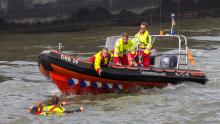
During natural disasters, response teams need all the help they can get. The line between success and failure is often paper-thin and innovative IT solutions can make a big difference. Through beAWARE, an EU-funded project, stakeholders have access to a platform integrating high-end technologies and an entirely new approach to disaster management that will ultimately help keep citizens safe.
Add to pdf basket
Add to pdf basket
© badwiser, #343077244 source:stock.adobe.com 2020
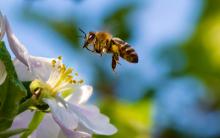
For years, researchers have struggled to understand how bees navigate so effectively with such small brains. Now, an EU-funded project has developed new technology to enhance our understanding and to potentially advance efforts in bee conservation. This new knowledge could also be transferred to other sectors, such as engineering.
Add to pdf basket
© INACHUS Project, 2014-2018
When disaster strikes, it is crucial to locate and rescue trapped victims as quickly as possible. EU-funded research is helping to optimise the use of new technologies by urban search-and-rescue teams to minimise loss of life.
Add to pdf basket
© chuangz #160236439, source: stock.adobe.com 2019
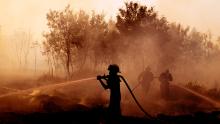
As climate change worsens, natural disasters like forest fires are becoming more destructive. Firefighters and other emergency service providers often feel outmatched. An EU-funded project is helping these first responders improve their coordination and equipment to keep Europeans safe.