Add to pdf basket
©piotrurakau #289911916 | source: stock.adobe.com
Metastasis is responsible for over 90 % of cancer-related deaths. Yet little focus has been placed on the elusive cells responsible for spreading the disease, which circulate through the bloodstream, making identification and analysis challenging. The EU-funded SCALPEL project set out to save lives by developing a microchip device to detect and sort metastatic cells from blood samples.
Add to pdf basket
©kartolo #944036674 | source: stock.adobe.com
Currently there are no therapy options available for those suffering acute radiation sickness. But hope is on the horizon. A combination of carbon and pectin developed by the EU-funded NanoMed project can absorb damaging molecules generated in the body after exposure to radiation. It’s the first step towards a simple pill that can be given to those exposed to high levels of radiation.
Add to pdf basket
©elenabsl #514782109 | source: stock.adobe.com
There is an acute need for implantable devices that can report prompt and accurate data about the body’s chemistry. The EU-funded ImplantSens project developed long-term implantable biosensors for glucose monitoring, to improve the management of diabetes. The project also helped train the next generation of scientists to carry on this work.
Add to pdf basket
©xyz+ #545479249 source: stock.adobe.com 2023
The potential for mRNA goes well beyond the COVID-19 vaccine. With the support of the EU-funded MOSaIC project, one research centre in Poland is conducting cutting-edge research in the field, paving the way for new treatments against diseases such as cancer, Alzheimer’s and genetic conditions.
Add to pdf basket
Add to pdf basket
©ktsdesign #112394636, source: stock.adobe.com 2021
Identifying the specific genetic mutations that cause cancer has always been a challenge. The EU-funded NONCODRIVERS project offers a solution with a pioneering approach that applies machine learning based modelling to tumour data. This could lead to more personalised therapies that save the lives of thousands of citizens every year.
Add to pdf basket
© utah51 #365765671, source: stock.adobe.com 2021
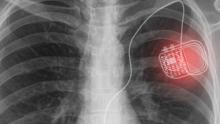
Materials used in medical implants such as pacemakers and insulin pumps can be hazardous to the body. The EU-funded BISON project seeks an alternative in self-assembling peptide building blocks. These biological electronics offer citizens safer implants that could be powered by the body itself.
Add to pdf basket
© Aliaksandr Marko, #338109732, source:stock.adobe.com 2020
Patients who've gone through chemotherapy know that as effective as it may be, it also causes a lot of damage to otherwise healthy cells. The EU-funded NANOCARGO project has pushed a solution forward for breast cancer that would avoid such damage. This breakthrough could benefit the many thousands upon thousands of women in Europe who undergo treatment for breast cancer every year.
Add to pdf basket
Add to pdf basket