Add to pdf basket
©FitchGallery #322186404 | source: stock.adobe.com
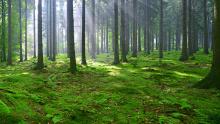
The EU-funded NATURE-FIRST project is transforming biodiversity protection from reactive damage control to predictive intervention. Using satellite and on-site data, environmental forensics, artificial intelligence-driven digital twins and real‑time monitoring, the project gives conservationists the tools needed to respond to biodiversity threats ahead of time.
Add to pdf basket
©I-Wei Huang #109936990 | source: stock.adobe.com
Urban regeneration often faces challenges in combining sustainability, inclusivity, and community engagement. By rethinking traditional approaches and using nature-based solutions such as parks and green infrastructure, the EU-funded URBiNAT project reconnected fragmented urban communities, supporting happier, healthier citizens through diverse solutions.
Add to pdf basket
European Commission 2024
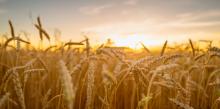
European agriculture stands at a crossroads, with farmers under pressure from rising costs, debt, climate change and the threat of cheap imports. The EU-funded project Ploutos sought to deliver wholesale change with a Sustainable Innovation Framework that delivers powerful innovations along the value chain.
Add to pdf basket
©GRID-Arendal/Nunataryuk | source: www.grida.no
Permafrost coasts are one of the most dynamic ecosystems on Earth and they are undergoing rapid change. The EU-funded Nunataryuk project assessed the impacts of thawing coastal and subsea permafrost on the global climate. Their work on adaptation and mitigation strategies is also helping to build resilience in Arctic coastal populations.
Add to pdf basket
©nigel | source: AdobeStock #239310559
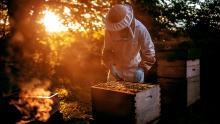
Honeybees are critical to agriculture, yet are increasingly under threat. The EU-funded HIVEOPOLIS project developed a range of digital hive technologies to monitor and manage honeybees. The technologies could help support precision agriculture, and even boost the survival of wild pollinators
Add to pdf basket
©Karoline Thalhofer #153923879 source: stock.adobe.com 2023
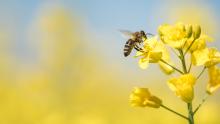
Bee populations face a number of threats, including pesticide use. With a third of global crop production dependent on pollinators, it is a troubling situation. The EU-funded PoshBee project provides evidence, tools and policy proposals to enhance bee health. The work supports more sustainable beekeeping and the continued competitiveness of European agriculture.
Add to pdf basket
Add to pdf basket
©Konstiantyn #126216129, source: stock.adobe.com 2022
The bio-based economy will bring new sustainable job opportunities for citizens across Europe. However, some regions have little experience or knowledge of how to transition away from fossil fuels. The EU-funded POWER4BIO project is helping to share best practices and provide guidance, to ensure no region in Europe is left behind.
Add to pdf basket
©freshidea #429336293, source: stock.adobe.com 2021
Environmental justice is about making sure environmental laws, regulations and policies treat everyone fairly. The EU-funded EnvJustice project has developed an online tool to support the many environmental justice movements happening around the world. As a result, everyone now has easy access to up-to-date information about how environmental issues impact their part of the world.
Add to pdf basket
©Worawut #295809244, source: stock.adobe.com 2021
By 2050, the world population may reach 10 billion people. Unfortunately, there’s not enough agricultural land available to sustainably produce the food needed to feed this many people. To help, the EU-funded FutureAgriculture project has designed a new type of crop capable of producing the amounts required to feed a rapidly growing population and to adapt to the effects of climate change.