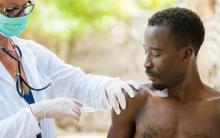
Add to pdf basket
©meeboonstudio #582908876 | source: stock.adobe.com
Every year, over 150 000 Europeans die as a result of liver disease. The EU-funded project LSO developed pioneering techniques to map the microstructure of the liver and other organs. The results provide new insights into liver regeneration, malaria treatment, insulin production and more.
Add to pdf basket
© nechaevkon #252210706, source:stock.adobe.com 2020
To spray or not to spray - and potentially, what with: EU-funded researchers are developing a sophisticated system to facilitate analyses of mosquitoes and their mechanisms of resistance to insecticides, support data sharing and refine decision-making processes. Scientists in Cameroon are helping to advance this bid to boost malaria vector control.
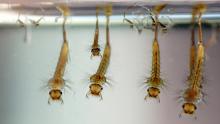
Add to pdf basket
© Helmut - fotolia.com
Hundreds of millions of people each year are infected with Plasmodium vivax, the most widespread form of malaria worldwide. An EU-funded project is tackling the mosquito-borne parasite, leading cutting-edge research efforts to accelerate the development of effective vaccines.
Add to pdf basket
© Avatar_023 - fotolia.com
EU-funded researchers are using the latest vaccine technologies and antigen discovery tools to develop a multi-stage, multi-antigen vaccine against Plasmodium falciparum, the parasite responsible for the deadliest form of malaria.
Add to pdf basket
© raresb - fotolia.com
Malaria is one of the world's deadliest diseases, but cutting-edge research into the genetics of malaria-carrying mosquitoes could lead to new methods to prevent transmission that could save hundreds of thousands of lives worldwide.