Drugs & drug processes

Add to pdf basket
©Gorodenkoff #415825505 | source: stock.adobe.com
Europe’s research labs and pharmaceutical companies are both working to discover new drugs, but often speak different dialects. EU-OPENSCREEN was set up to change this by creating a continent-wide research infrastructure for chemical biology and early drug discovery. Within the EU-funded EU-OPENSCREEN-DRIVE project, one of the most effective tools turned out to be not a new machine or invention, but an office with a deceptively simple name: the Industry Liaison Office.
Add to pdf basket
©mi_viri #455657879 | source: stock.adobe.com
T cell therapies are specifically tuned to a patient’s individual tumour, but choosing the right marker is key. A new method for identifying neoantigens in non-small cell lung cancer opens the door to improved treatments. The EU-funded CANVAS project set up a joint pilot study to further the work.
Add to pdf basket
©kartolo #944036674 | source: stock.adobe.com
Currently there are no therapy options available for those suffering acute radiation sickness. But hope is on the horizon. A combination of carbon and pectin developed by the EU-funded NanoMed project can absorb damaging molecules generated in the body after exposure to radiation. It’s the first step towards a simple pill that can be given to those exposed to high levels of radiation.
Add to pdf basket
©xyz+ #545479249 source: stock.adobe.com 2023
The potential for mRNA goes well beyond the COVID-19 vaccine. With the support of the EU-funded MOSaIC project, one research centre in Poland is conducting cutting-edge research in the field, paving the way for new treatments against diseases such as cancer, Alzheimer’s and genetic conditions.
Add to pdf basket
©Марина Демешко #474032995 source: stock.adobe.com 2023
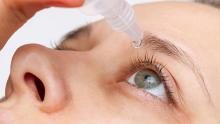
A rare infectious disease that can cause permanent blindness may soon have an approved treatment for the first time. A formulation of the molecule polihexanide, optimised by the EU-funded ODAK project, has been shown to cure 87 % of patients. The drug will soon be available to patients across Europe through an early access programme.
Add to pdf basket
©Chanchai #249808573 source: stock.adobe.com 2022
Schistosomiasis is a parasitic disease, particularly dangerous to young children. With no child-safe method for treating it, millions of kids are left untreated and susceptible to anaemia, stunted growth, and impaired cognitive development. The European and Developing Countries Clinical Trials Partnership (EDCTP) supported the research that aims to change this by providing equitable access to an effective and safe paediatric treatment for the disease.
Add to pdf basket
Add to pdf basket
©I Viewfinder #336979442, source: stock.adobe.com 2021
Drug assessment for potential negative effects on patients’ hearts is a cost-intensive task, and it still occasionally fails to deliver on its promise. The EU-funded MAREP project has created a new laser-based technology that can streamline the drug development process. At the same time, it enhances patient safety which is a big plus for all citizens.
Add to pdf basket
© anttoniart #300552708, source: stock.adobe.com 2021
If countries can't train high-quality research staff, they will struggle to deliver innovative cancer treatments. An EU-funded project enabled four academic institutions to exchange staff and share best practices, resulting in various career advancements and successful research grant applications. These will benefit citizens through the researchers' expanding skills to advance cancer treatments.