Add to pdf basket
©New Africa #217627537 | source: stock.adobe.com
The EU-funded MycoTWIN project took on one of agriculture’s toughest challenges: fungal compounds that contaminate food supplies, especially cereals, nuts and dried fruits. The project brought together researchers from Italy’s National Research Council (CNR-ISPA) and Spain’s University of Valencia (UV) to enhance research capabilities in Türkiye. The result is improved food safety in Europe and beyond.
Add to pdf basket
©elenabsl #514782109 | source: stock.adobe.com
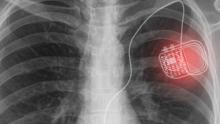
There is an acute need for implantable devices that can report prompt and accurate data about the body’s chemistry. The EU-funded ImplantSens project developed long-term implantable biosensors for glucose monitoring, to improve the management of diabetes. The project also helped train the next generation of scientists to carry on this work.
Add to pdf basket
©Anna Schlosser #653156909 source: stock.adobe.com 2023
Microbiomes may have the potential to benefit the global food system, but tapping that potential requires coordinated research – which currently isn’t the case. The EU-funded MicrobiomeSupport project aims to change this by mapping the research landscape and highlighting the need to standardise data. In doing so, it is ensuring that microbiome research can support safe, healthy and sustainable food systems.
Add to pdf basket
©ovocheva #319484629 source: stock.adobe.com 2023
A better understanding of microbial communities could bring profound benefits to the agri-food sector. The EU-funded MASTER project has developed a wide range of microbiome products, foods, services and processes. These innovations are helping improve the quantity, quality, safety and sustainability of our food and farms.
Add to pdf basket
© utah51 #365765671, source: stock.adobe.com 2021
Materials used in medical implants such as pacemakers and insulin pumps can be hazardous to the body. The EU-funded BISON project seeks an alternative in self-assembling peptide building blocks. These biological electronics offer citizens safer implants that could be powered by the body itself.
Add to pdf basket
©uliab #271890966, source: stock.adobe.com 2021
All too often, waste ends up in landfill or is incinerated. The EU-funded DAFIA project sought to address this by exploring ways of converting waste into ingredients to make high-end products. Recovering valuable compounds from waste streams is helping the EU transition away from fossil fuels, benefitting industry, the environment and citizens.
Add to pdf basket
©Fokussiert #396761512, source: stock.adobe.com 2021
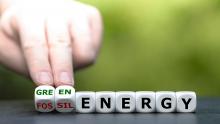
Europe is in the process of moving away from an economy based on fossil fuels. The EU-funded FALCON project has achieved a breakthrough with a range of bio-based compounds that turn waste plant matter into essential chemicals. This offers citizens a greener and more economically viable future.
Add to pdf basket
© Kletr #162162835, source: stock.adobe.com 2021
Too much waste ends up in landfill, removing potentially reusable resources from the economy. To address this, the EU-funded VOLATILE project has developed a process for transforming biological waste which can then be used in a range of industries. This could deliver products with real added value for EU citizens, such as biofuel and bioplastics, as well as soap and Omega-3 oils.
Add to pdf basket
© SciePro, #315092270, source:stock.adobe.com 2020
European researchers have been building the Virtual Physiological Human (VPH), a full computer model of the body. Through this process, an EU-funded project focused on improving cardiovascular care, and several key results are now being implemented by industry. The ultimate aim of all this is to turn basic science into real medical practices that will benefit patients and improve care standards.
Add to pdf basket
© Siarhei #337007403, source:stock.adobe.com 2020
EU-funded researchers are using innovative genomic and microfluidic technologies to identify useful enzymes in nature which could reduce the need for toxic chemicals, save energy, and boost the overall sustainability of a range of industries, from agriculture to pharmaceuticals.