Add to pdf basket
 ©michalsen #433483742| source: stock.adobe.com
Management of Europe’s water resources – for agriculture, energy, transport and drinking water – is often hindered by fragmented decision-making and a lack of citizen involvement. The EU-funded InnWater project built digital governance tools to unite scientists, policymakers and users. These tools support more resilient and inclusive water policies designed to benefit everyone.
Add to pdf basket
©New Africa #217627537 | source: stock.adobe.com
The EU-funded MycoTWIN project took on one of agriculture’s toughest challenges: fungal compounds that contaminate food supplies, especially cereals, nuts and dried fruits. The project brought together researchers from Italy’s National Research Council (CNR-ISPA) and Spain’s University of Valencia (UV) to enhance research capabilities in Türkiye. The result is improved food safety in Europe and beyond.
Add to pdf basket
©Yuparet #1048311233 | source: stock.adobe.com
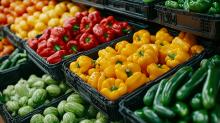
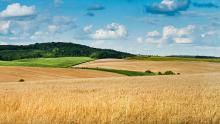
European agri-food value chains are facing a series of challenges, from rising prices to climate change. The EU-funded CO-FRESH project developed new techniques, tools and insights to drive the fruit and vegetable industry towards greater sustainability. The results will ensure the food industry is better prepared for the future, benefiting producers and consumers.
Add to pdf basket
©divedog #435226106 | source: stock.adobe.com
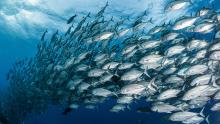
Mercury pollution presents a significant risk to environment and human health, in particular its accumulation in edible fish. The EU-funded Global Mercury Observation and Training network project (ITN GMOS-Train) helped model mercury’s chemical behaviour and fate in land, air and marine environments. The work will support public health initiatives and make more informed dietary choices possible.
Add to pdf basket
European Commission 2024
European agriculture stands at a crossroads, with farmers under pressure from rising costs, debt, climate change and the threat of cheap imports. The EU-funded project Ploutos sought to deliver wholesale change with a Sustainable Innovation Framework that delivers powerful innovations along the value chain.
Add to pdf basket
©nigel | source: AdobeStock #239310559
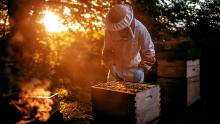
Honeybees are critical to agriculture, yet are increasingly under threat. The EU-funded HIVEOPOLIS project developed a range of digital hive technologies to monitor and manage honeybees. The technologies could help support precision agriculture, and even boost the survival of wild pollinators
Add to pdf basket
©Anna Schlosser #653156909 source: stock.adobe.com 2023
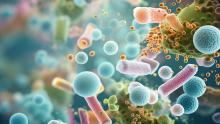
Microbiomes may have the potential to benefit the global food system, but tapping that potential requires coordinated research – which currently isn’t the case. The EU-funded MicrobiomeSupport project aims to change this by mapping the research landscape and highlighting the need to standardise data. In doing so, it is ensuring that microbiome research can support safe, healthy and sustainable food systems.
Add to pdf basket
©ovocheva #319484629 source: stock.adobe.com 2023
A better understanding of microbial communities could bring profound benefits to the agri-food sector. The EU-funded MASTER project has developed a wide range of microbiome products, foods, services and processes. These innovations are helping improve the quantity, quality, safety and sustainability of our food and farms.
Add to pdf basket
©pavlobaliukh #298528380, source: stock.adobe.com 2022
The huge amount of environmental information available to decision makers can be overwhelming. The EU-funded LANDSUPPORT project developed an easy-to-use web platform that combines satellite, drone and remote sensing data with cutting-edge models. Using this, farmers, policymakers and even citizens can easily find relevant information and make informed environmental choices.
Add to pdf basket
©topvectors #437291624, source stock.adobe.com 2021
Europe needs more bio-based products to ensure future generations inherit a sustainable society, but the success of such products can only be built on trust. The EU-funded STAR-ProBio project are conscious of the challenges ahead. They built a new framework to help create better labels, standards and certifications that will allow for that trust to be built, ultimately benefiting all EU citizens.